Is Your House Making You Sick?
Yes, it’s possible that that persistent sinus issue, cough, fatigue, or depression you’re experiencing is actually being caused by the house you live in!
At Pippin Home Designs, we help to educate our clients about better product selection and building practices. The lack of awareness around these topics can ultimately lead to building related health issues, which for some people can manifest as acute, chronic, or even life-threatening illnesses.
It’s standard practice for builders to select building materials for new and renovated homes. Unfortunately, most builders are accustomed to using the toxic building products that have become pervasive in the industry. Practices to incorporate more sustainable materials has not yet become mainstream. This places the burden of responsibility on the homeowner to insist on healthier choices. It’s important to be well informed about these products so you can assist the builder in making the right choices for YOU.
In this first blog of the Sick Home Series, we discuss the many ways your home could be making you sick and why you should focus on healthy home design.
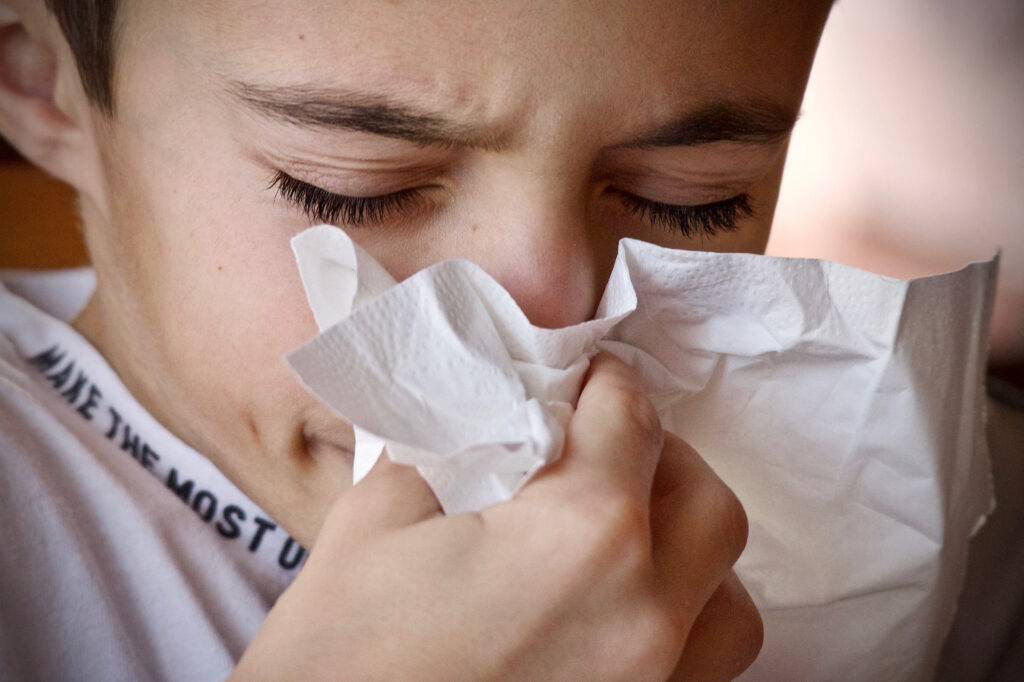
What is a Sick Home?
In 1984 the World Health Organization (WHO) released a report suggesting that up to 30% of new and remodeled homes worldwide were the cause of illnesses related to poor indoor air quality. This coined the term Sick Building Syndrome (SBS).
Sick Building Syndrome(SBS):
A condition experienced by building occupants with acute health effects that appear to be linked to time spent in a building, but no specific illness or cause can be identified.
Indicators of SBS include:
- Building occupants complain of symptoms associated with acute discomfort, e.g., headache; eye, nose, or throat irritation; dry cough; dry or itchy skin; dizziness and nausea; difficulty in concentrating; fatigue; and sensitivity to odors.
- The cause of the symptoms is not known.
- Most of the complainants report relief soon after leaving the building.
Sick Building Syndrome is rather vague and finding causes to your building related health issues can be a bit of a mystery. The EPA has also designated the term Building Related Illness (BRI) to explain specific illnesses with known causes related to buildings.
Building Related Illness (BRI):
Symptoms of diagnosable illness are identified and can be attributed directly to airborne building contaminants.
Indicators of BRI include:
- Building occupants complain of symptoms such as cough; chest tightness; fever, chills; and muscle aches.
- The symptoms can be clinically defined and have clearly identifiable causes.
- Complainants may require prolonged recovery times after leaving the building.
Pippin Home Designs believes that there are many factors to consider when designing and building a home that will be healthy for its occupants. Careful planning and education of the entire building team is essential in achieving the goal of a healthy home.
According to the Environmental Protection Agency (EPA), the average American spends about 90% of their time indoors!
That’s A LOT of time! Imagine if 90% of your life, you were breathing in toxins, mold, and pathogens, drinking unclean water, exposed to chemicals off gassing from nearly every fixture and piece of furniture in your home, and consistently bombarded by radiant energy emitted from the many high-tech gadgets commonly used in most homes today.
Unfortunately, this is the typical standard of living, even in the United States. There is an alarming number of hazardous substances used in the home construction industry, and though many known negative health effects have been determined, the prevalent use of these substances remains astounding.

Possible Symptoms of a Sick Home
- Headaches
- Rashes
- Throat irritation
- Breathing difficulties
- Tightness in the chest
- Runny nose
- Allergy-like symptoms, such as sneezing
- Burning sensations in the nose
- Dry, itchy skin rashes
- Dizziness
- Difficulty concentrating
- Forgetfulness
- Fatigue
- Irritability
- Nausea
- Body aches
- Fever
- Chills
The symptoms listed here can mimic other illnesses such as the common cold, allergies, stress, or poor sleep so it can be hard to determine the cause of illness.
It’s important to pay attention to how you feel and take notice if your symptoms decrease when you spend time away from your home. If symptoms return once you return home or when you spend time in a particular area of your home, then you can suspect mitigation is required.
Some hazardous household materials may cause NO symptoms till you’ve already acquired a chronic or life-threatening illness.

Possible Chronic and/or Life-Threatening Conditions
- Cancer
- Pulmonary diseases
- Pulmonary hemorrhage (bleeding lung) deaths in infants
- Carbon Monoxide poisoning deaths
- Childhood leukemia
- Birth defects
- Mesothelioma
- Neurological and developmental issues in infants
- Asbestosis
- Nervous system toxicity
- Liver damage
- Thyroid damage and hormone disruption
- Reproductive system toxicity
Shocking, isn’t it?! These horrifying conditions are caused by average, everyday household materials that we can almost guarantee are in your home right now. The hazardous substances that cause these issues have been in existence and used in homes for decades. Awareness around these dangers is finally beginning to surface, however industry standards are slow to respond and most still turn a blind eye to harmful materials that could easily and affordably be replaced with healthy and sustainable options.
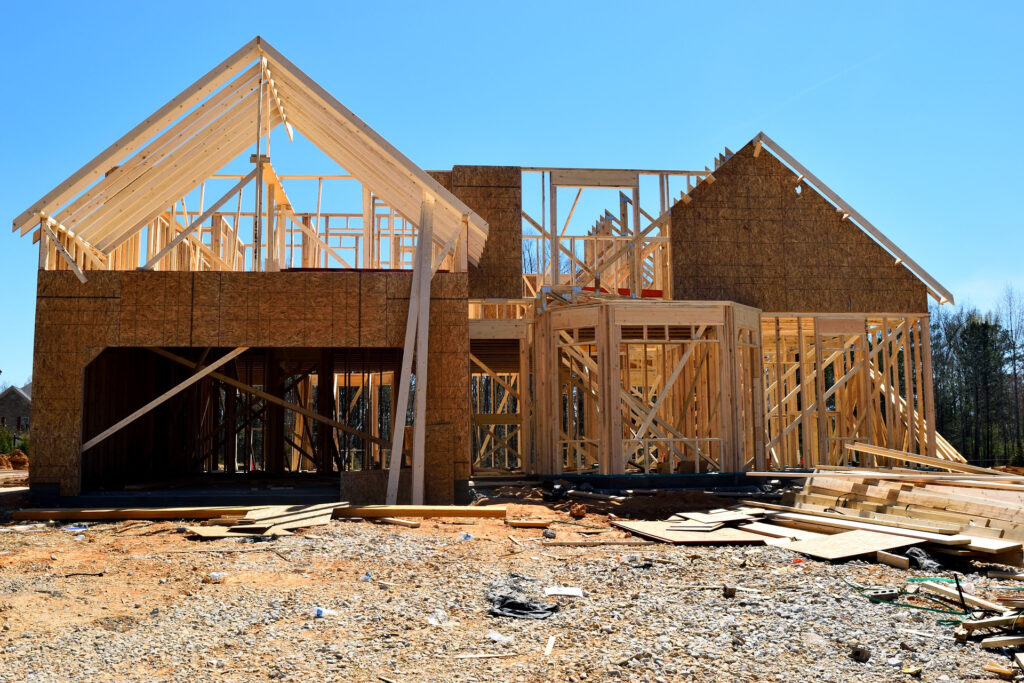
Possible Causes of a Sick Home
- Homes with poor ventilation or ineffective HVAC and dehumidification systems
- Radon (naturally occurring radioactive gas found in nearly all soils)
- Volatile Organic Chemicals (VOCs) (numerous chemical compounds that vaporize at ambient room temperatures found in many different household materials)
- Formaldehyde (commonly found in wood furniture and floors)
- Chromated Copper Arsenic (CCA) (found in pressure-treated wood)
- Phthalates (found in carpet backing, resilient flooring, wall coverings, acoustical ceiling surfaces, upholstery textiles, roof membranes, waterproofing membranes, and electrical cord insulation
- Polybrominated Diphenyl Ethers (PBDEs) (found in insulation and cushions)
- Short-Chain Chlorinated Paraffins (SCCPs) (found in rubbers, paints, adhesives, caulks, and sealants as either plasticizers or flame retardants)
- Polyurethane (found in spray foam and construction adhesive)
- Perfluorinated Compounds (found in wide array of consumer products and food packaging
- Molds and fungus (caused by excess moisture and humidity)
- Asbestos (found in some insulation)
- Carbon monoxide (from use of gas ranges, indoor and non-vented fireplaces, and other forms of combustion)
- High levels of dust
- Chemicals in the air from cleaning products and furnishings
- Pesticides and Herbicides, such as Glyphosate
- Insect or animal droppings
This is not an exhaustive list. This is only intended to give you an idea of the extent to which your home could be making you sick.
At Pippin Home Designs, we think it’s disappointing that these toxic chemicals, unhealthy practices, and poorly informed professionals are still maintaining the baseline of expectations within the home design and building industry.
We hold firm that you CAN have your cake and eat it too!!! You CAN have a stunningly gorgeous home, with the best views available, that is comfortable, functional, sustainable, AND healthy! Why would you settle for anything less?

Healthy Home Design: Designing Wellness into Everyday Living
A truly healthy home actively supports your physical, mental, and emotional wellbeing. At Pippin Home Designs, we approach each project with this in mind, integrating principles of neuroaesthetics, biolphilic design, Green Design, high-performance building, and wellness-focused planning to create spaces that feel as good as they function.
Because we spend the majority of our lives indoors, the quality of our home environment has a direct impact on our health. The materials we choose, the air we breathe, the light we experience, and our connection to nature all influence how we feel each day. Thoughtful design can reduce exposure to toxins, improve indoor air quality, enhance natural light, and create a sense of calm and balance throughout the home.
Our process emphasizes education and collaboration. We guide homeowners and building teams in selecting materials, finishes, and systems that are not only sustainable and durable – they are also supportive of long-term health. From low-toxicity materials to energy-efficient systems and intentional indoor-outdoor connections, every decision is an opportunity to elevate wellbeing.
When we recognize that we are part of the natural ecosystem – not separate from it – the path forward becomes clear: what supports the health of the environment also supports our own vitality. Designing with this perspective allows us to create homes that nurture both people and planet.
Designing for wellness isn’t an upgrade or an afterthought – it’s a smart, proactive approach to living well.
By prioritizing health from the very beginning, you create a home that enhances your quality of life every single day.
With the right guidance, you can make informed choices that align with your values and support your wellbeing for years to come. A healthy home isn’t a compromise – it’s a more thoughtful, more beautiful way to live.
Join me next time when I begin the deep dive into why so many toxic chemicals are used in the built environment, how the homeowner has been kept in the dark, and what measures you can take to regain control over the health of your home.
I intend you seek and find wellness at home and in life. You deserve it!
In health and wellness,